Published 19 Nov 2026, updated 23 Nov 2026 by SparkyBen Electrical, NICEIC approved electrician in Tunbridge Wells.
Reviewed 19 Nov 2026. Applies to England. Sources:
What smart lighting installation involves
Smart lighting lets you switch and dim your lights from your phone, by voice or on a timer. There are three ways to do it: smart bulbs in your existing fittings, smart switches or dimmers in place of your wall switches, or a wired lighting control system. Smart bulbs need no electrician. Smart switches, dimmers and wired systems do, and that is the work I carry out in homes across Tonbridge, Tunbridge Wells and the villages around them.
Fitting work is charged at my standard rate of £120 an hour plus VAT, and a larger job is quoted as a fixed price in writing. My smart home guide gives typical figures of £30 to £80 per smart switch, £40 to £100 per smart dimmer and from £500 for an integrated lighting system.
Get a smart lighting quote
Tell me the postcode and what you need. I will confirm the scope, availability and quote.
Option 1: smart bulbs
Smart bulbs screw or push into your existing fittings and connect to an app or a hub. They are the cheapest way to start, and you can fit them yourself. The catch is the wall switch: if someone turns it off, the bulb loses power and the app can no longer control it. Smart bulbs suit lamps and one or two rooms, but most people who want a whole floor or the whole house to be smart move on to smart switches.
Lighting I Have Installed
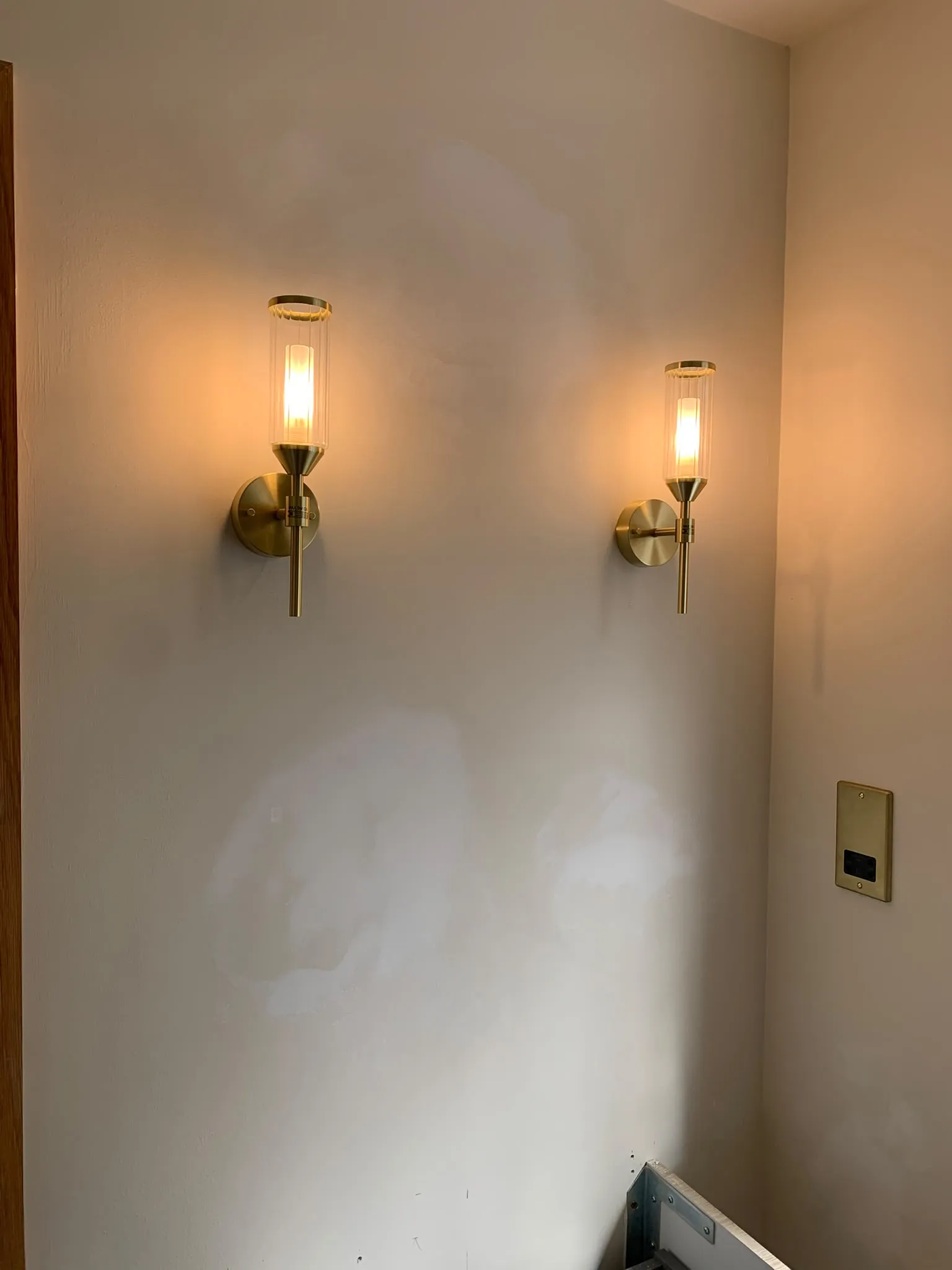
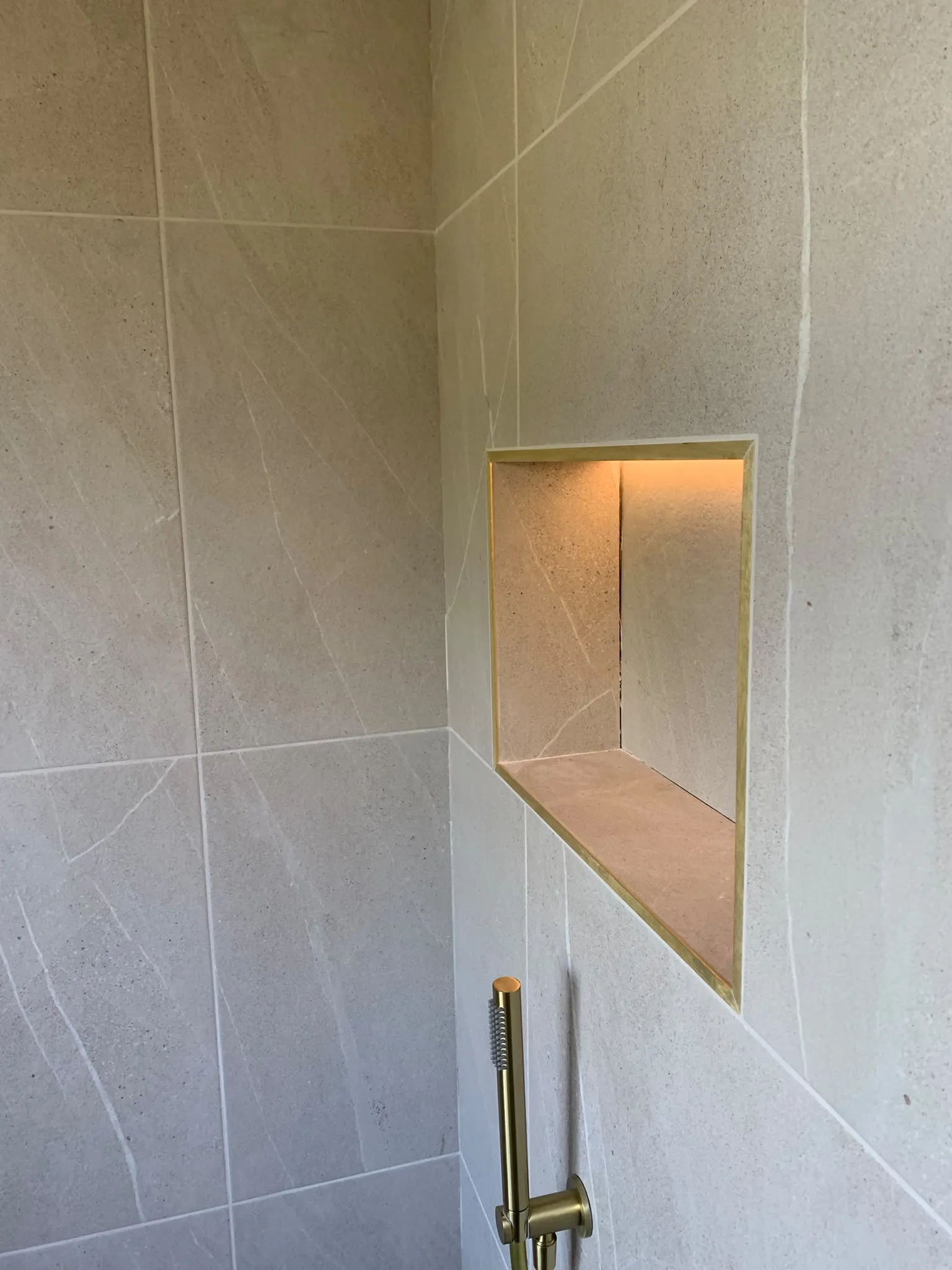
Wall lights and LED niche lighting from my own lighting jobs. Smart switches and dimmers can control lights like these.
Have a similar job in mind?
Ask Ben For A QuoteOption 2: smart switches and dimmers
A smart switch replaces your existing wall switch and works with ordinary bulbs, so the light always responds to both the switch and the app. This is the most popular route, and it is where an electrician earns their fee, because a few details decide whether it works well:
- Neutral wire: some smart switches need a neutral conductor at the switch. Many older lighting circuits do not have one there, so I check before you buy, and suggest a switch that works without one if needed.
- Back box depth: smart switches and dimmers are deeper than standard switches. Shallow boxes sometimes need replacing.
- LED compatibility: a dimmer has to suit the LED lamps on the circuit, or the lights flicker or buzz. I check the lamps and the number of lights on each circuit.
- Two-way switching: landings and long rooms with switches at both ends need a smart switch that supports two-way control, or a matching wireless switch.
Option 3: a wired lighting control system
For a renovation, an extension or a rewire, a wired system gives you scenes (one press for "evening" or "all off"), control of every circuit from one place, and outdoor lighting on the same app. It is best planned while walls and ceilings are open, because it can mean new cable runs from each light back to the control equipment.
If you are planning a rewire anyway, it costs far less to run the extra cables at the same time than to add them later.
Building regulations for smart lighting
Swapping a switch for a smart switch on an existing circuit is not usually notifiable in England. The Planning Portal says that most replacements, and alterations to existing circuits outside special locations, are not notifiable. The exceptions are the space around a bath or shower, which is a special location, and any work that adds a complete new circuit. Notifiable work has to be self-certified by a registered electrician or notified to building control.
I am NICEIC approved, so where the work is notifiable I register it for you and you receive the certificates. Either way, I test what I have installed before I leave.
What I check before you buy
Send me the postcode, a photograph of a typical switch with the faceplate on, and the rooms you have in mind. I will tell you which route suits your home and give you a quote. I cover Tonbridge, Hildenborough, Tunbridge Wells, Southborough, Sevenoaks and the villages around them.
- Which rooms you want smart, and whether you want voice control, an app, timers or all three
- Whether your switches have a neutral and how deep the back boxes are
- Which bulbs and fittings are on each circuit, and whether they will dim cleanly
- Wi-Fi coverage where the switches will go, and whether the system needs a hub
- Whether you want garden, driveway or security lights on the same system